Saturday, 30 May 2009
Return to work
There was a programme on the BBC the other night about Tourette's Syndrome. It was brilliant - it follow up on a man named John who had done a programme in the 1980's and a fifteen-year-old boy from North Yorkshire who had the condition, called Greg. There were some very candid interviews, and they must've been very brave to have participated in the programme.
It was interesting to see the difference they had experienced; John had been diagnosed in the 1980's and there was little support for him or his family. As such, John had become isolated and withdrawn. Greg, on the other hand, had a very supportive family who had sought information, services and professionals to help them cope and know more about Tourette's. Had John grown up in this day and age, it is likely that he would have found it easier.
Very little is known about Tourette's; it is a neurological condition where people suffer from tics that need to be released. Their behaviour can often be challenging both for themselves and those around them, and contrary to popular belief only few sufferers shout random swear words out loud. It is known that Tourette's is genetically inherited, and a sufferer has about a 50% chance of passing that gene on to their offspring.
A few theories are currently being thrown around; one that is particularly controversial is a streptococcal infection of the throat that results in antibodies interacting with brain tissue. In people with Tourette's, MRI scans of the basal ganglia are abnormal and it is believed that this may be a cause of Tourette's.
Diagnosis of Tourette's involves a process of elimination to rule-out other conditions that may be causing the symptoms, and the treatment is simply education and support. Symptom control can be undertaken with several drugs if they become a problem. Deep-Brain Stimulation (DBS) is a relatively new and experimental treatment and may be effective.
For more information see Tourettes Action or the BBC Health page on Tourette's.
Saturday, 16 May 2009
Congress day 5: a tumultuous end
A resolution That this meeting of RCN Congress urges RCN Council to ensure that its own diversity reflects the diversity of RCN members was hotly debated - eventually not being passed, possibly due to a misunderstanding as to the actually meaning of the resolution. Cecilia Anim, the proposer, undermined her proposed resolution by saying that she wanted to be on the Council, and suggested that candidates should be voted in proportions representative of its members, whereas the majority of debaters expressed a wish that people should be voted in on the basis of merit and what they can offer.
From the RCN website:
Cecilia Anim from the RCN Islington Branch told members that diversity meant difference and it was important for these differences to be harnessed. She said that creative solutions were needed if the RCN wanted to be a world class champion of diversity. This could not be the case if RCN Council does not represent the membership. She asked members to take positive action 'not because it's the popular thing to do but because it's the right thing to do'. The resolution was seconded by Zeba Arif who asked Congress to support the resolution as it would benefit nurses, patients and the RCN.
Members were restricted to speaking for one minute as there were so many who wished to speak on the subject. Mojisola Olaye said that multi-cultural Britain should be reflected in RCN Council and Gareth Phillips urged members to remember that diversity is not always obvious as he said that Council was already a diverse entity in a number of ways.
Damian Ronksley referred to the way in which the National Union of Students works - having dedicated seats for women and LGBT students and Charles Gomedza reminded that diversity is nothing to be afraid of.
Several members emphasised that the skills and ability to work as a Council member and get the best person for the job were the most important issues to be taken into consideration. Saffron Brown received a standing ovation when she told members that as a black woman, she would be offended if she were to be employed or elected to a position based on the colour of her skin.
Alan Mawbey, the Council Diversity Lead encouraged people to stand for Council. "If people don't stand, you end up with what you get" he said.
There was some discussion about the meaning of the wording of the resolution. The resolution was not passed. Following the debate, RCN President, Maura Buchanan said that she wanted to encourage everyone to stand for Council.
Results of the resolution
For: 105 (29.58%)
Against: 250 (70.42%)
Abstentions: 19
Not passed.
Congress ended (as it does traditionally) with a slideshow to music of pictures taken over the week. Few non-voting members remained until the very end, and there was some debate as to where so many of the funded voting members were; who are supposed to stay until the very end.It has been a very enjoyable week, and for me the highlight was definitely Sir Michael Parkinson.
Wednesday, 13 May 2009
Congress day 4: Sir Michael Parkinson
Sir Michael spoke of his own mother and as he did so it was plain to see that he was trying to keep back the tears. He spoke of the dementia that she suffered from in her older years and his reasons for becoming an ambassador. Sir Michael received three standing ovations: one upon entering the auditorium, one after his speech and the final one as he was leaving the auditorium - louder perhaps even than the Prime Minister's. His speech touched on some of the most dignified older people he had met in the course of his work as an interviewer, and some clips were shown from his show.
There was true warmth in the auditorium, as people sat in awe of him as he spoke. He made references to certain people he had met and had influenced his life, saying that the person he would most like to interview regarding dignity would be Nelson Mandela; and that it was remarkable that after everything he had been through he could still be so dignified.
Undoubtedly, Sir Michael's speech will be one that people remember long after Congress, and it would seem that in his job as dignity ambassador he is succeeding.
Sir Michael had said he had been "delighted" to speak at Congress, and that he was "looking forward to being able to discuss the vital issue of patient dignity at the largest gathering of frontline nursing staff in the UK".
Sir Michael Parkinson's speech will be avilable here for viewing shortly. For more information on Sir Michael's appointment and Dignity in Care, visit the DH Care Networks website.
Trackback - Sir Michael Parkinson's speech.
Tuesday, 12 May 2009
Congress day 3: Student's day
In the main auditorium there was extensive debate surrounding changes to the representation system for forums, regions and boards to vote. Currently the number stands at 1 vote per 1000 members, but this is due to change.
A busy day today, much debate and argument. Videos can be seen here.
Monday, 11 May 2009
Congress: Gordy vs Dave
It's the second day of Congress, and as the photographers swarmed two surprise visitors made an appearance today. The first was the Prime Minister, Dr Gordon Brown MP, and in his wake was Mr David Cameron, MP, the leader of the Opposition.Both addressed the congress, with Gordon's speech going out live on news networks. Both speeches had similar undertones, with references to experiencing NHS services and the loss of their children. Whistleblowing was also a common theme, having been highlighted by a nurse recently "blowing the whistle" and losing her registration as a result.
Talking "off-the-cuff" (if you believe it) Dr Brown said of nursing that it was "a profession that you enter not for what you can get, but for what you can give", mirroring it to recent issues surrounding MP expenses claims, saying that MP's should follow the same ethos. He spoke of courageous nurses, and that the Government had the willingness to invest in the NHS as a whole, not just in doctors and nurses. Gordon also said that they were looking at social and elderly care, and were hoping to improve the lives of the 6 million carers in Britain.
He spoke of losing his sight when he was young, and that the nurses played a key role in his rehabilitation. Gordon said that "there is nothing more important than talking to the nurses of Great Britain" when referencing the fact that no Prime Minister had attended the conference in 93 years of the RCN, citing that they always said they "had something better to do".
Gordon received a standing ovation, and undertook a lengthy Q&A session, although not fully answering and perhaps tactically avoiding a question about whistleblowing.
Mr Cameron made an appearance about an hour later, with a more conservative (no pun intended!) approach of reading a pre-prepared address. He said that "welfare is now a lifestyle choice, not a last resort" when speaking about the benefit system and that we had been left with a "battered and broken society". He spoke of rebuilding society "brick by brick" should he be elected at the next general election.
David also made reference to his own experiences with the NHS, almost uncomfortably talking about when his son Ivan passed away. He said that where "nursing was good, care was good" and spoke of the services he received. David said he owed a "debt of gratidude" the nurses who helped him through.
Interestingly, Mr Cameron mentioned that he would make organisational changes in the NHS, removing centrally-allotted targets and instead concentrating on improving outcomes for patients, and "strip down targets that undermine professional responsibility". He also affirmed that he would "definitely not introduce an insurance based health system", and that he was proud that it was freely available to any and all. On that note, Mr Cameron also said he wanted to "make sure doors to nursing are open for all", with training "focussing on practical skills, rather than theory".
He acknowledged that the NHS is the largest employer in the UK, and that it was difficult to keep up with organisational changes over recent years - that "the NHS history reads like alphabet spaghetti.
Both speakers told the audience what they wanted to hear: it is, after all, MEP voting time soon and they are out on the campaign trail vying for votes. Both speakers made references to their own experiences with healthcare, and if you were cynical you could say they were going for the sympathy vote. Both discussed whistleblowing - with Gordon taking a low-impact approach and David saying he would introduce contractual and legal protection for those who felt they needed to break their silence. It was almost as if they had read each other's speeches.
Both spoke well, and I was impressed with Gordon's oratory skills. He seemed relaxed and proud to be there. Both Gordon and David received a standing ovation as they entered and left the auditorium, but Gordon's croud seemed slightly more numerous on this occasion.
Nick Clegg of the Lib Dems wasn't in attendance - he was in Wales launching their Welsh MEP campaign.
Finally, it was good to hear the Chair of the Mid-Staffordshire branch standing up during the Q&A and sticking up for the nurses he represents. He asked Mr Cameron what he would do to stop the media and politicians from harassing his nurses and why they were using focus groups, instead of actually asking the nurses who worked their what their opinion was. His answer was simply to "invite the nurses to the focus groups".
A good day at congress. It's Dr Keogh tomorrow and Parky on Wednesday, however I doubt they will have as much impact as today. That remains to be seen.
Sunday, 10 May 2009
RCN Congress Pt.1
I'm up in Harrogate for the Royal College of Nursing Congress 2009. It started today with registration and an opening ceremony, with a big party tonight at the Harrogate International Centre. Over this week I'll hopefully be bringing you some discussion and comment surrounding the major issues raised. I've already seen lots of familiar faces, and word is there'll be a couple of political heavyweights attending tomorrow. You can see some video coverage of the events by clicking here. Parky is giving the keynote address on dignity this year, on Wednesday. Sir Bruce Keogh, NHS Medical Director, is delivering the keynote address on Tuesday.The Congress programme can be found here.
Friday, 8 May 2009
Midwife at 90

A woman in Wiltshire has delivered her Granddaughter's baby. This might not seem so remarkable initially - but the lady was 90, had been a midwife before retirement and had not delivered a baby since 1954. And she's had two hip replacements. The on-call midwife couldn't reach her granddaughter in time, and she knew it was time so she just got on with it on the kitchen table.
It just goes to show - we never lose the skills we learn, and we never know when something may come in handy that we've done in the past. I could waffle on about Benner's application of the Dreyfus skill acquisition model right now but I'll leave that for another post - well done Mrs Jones!
Wednesday, 6 May 2009
It came...and it went...?
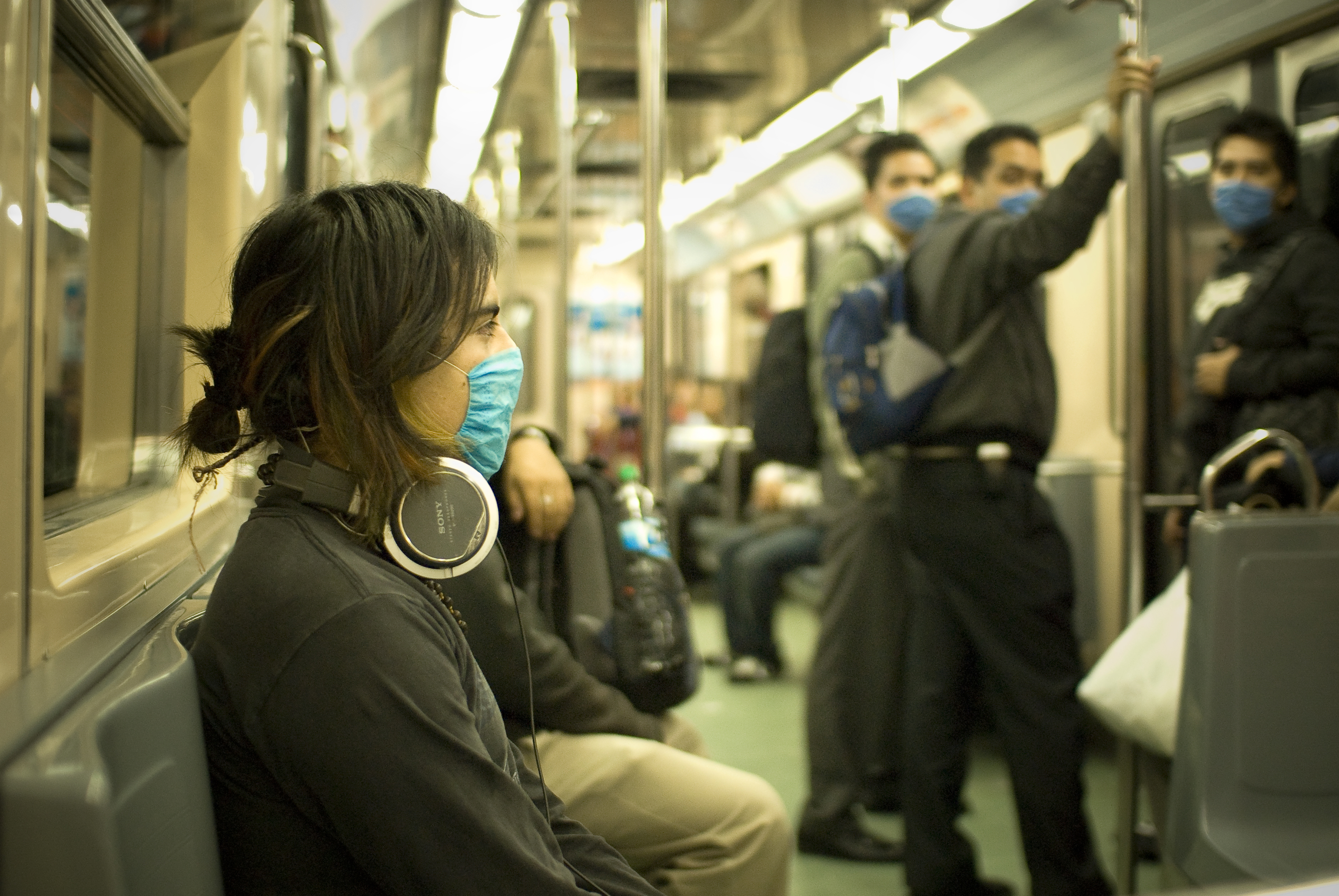
As of today, Swine flu has 32 confirmed cases in the UK, with 1,658 around the World. There has been widespread panic, which has been fuelled by the media - with such headlines as "the end of humanity as we know it". I believe that one was down to our friends at the Sun. People need to get some perspective.More people die annually in car accidents than from flu, and cars are a weapon of our invention. The word is that the actual rate of death from swine flu is no more than that of normal flu, and the papers are reporting that the death rate is actually decreasing.
This kind of mass panic has happened before: vCJD was meant to be one of the big killers of our time, that was spread through prions in infected meet. Thousands of cows were culled, and European trade ground to a halt. 164 people are reported to have died from vCJD, which is a lot less than was initially thought there would be.
SARS came in 2002, a pneumonia-like disease that came close to pandemic status affecting over 8,000 people between 2002 and 2003; eventually 774 people died with the disease. In 2006, the word was that one in four people might die of Avian flu, when in fact the global death toll was 257.
I suppose the question should be - can we win? This kind of thing keeps happening more and more frequently and eventually something will arrive that cannot be conquered. Horace said 'If you try to eradicate Nature, she will in time rise up silently and confound your foolish arrogance', and that was in the 1st Century BC. You could say that Horace was well ahead of his time; perhaps he wasn't, as the same thing has been happening throughout all human history.
At the end of the day, when all is said and done - we will all die. We won't be here indefinitely. Who's to say the human race will even be here indefinitely. There is always a danger that something is just around the corner that will be the end of civilisation as we know it.
I just don't think it's swine flu.
Monday, 27 April 2009
Swine Flu - Uh-oh!
Ok, so I haven't posted in a while - my apologies. Been a bit busy setting up a company with a couple of friends - have a look at http://www.clicketyclicksheffield.co.uk. Enough plugging...now to discuss a hot topic that's currently going on...Looks like we will be getting another flu pandemic. Swine flu apparently started in Mexico and has spread out to the USA, Europe and as far away as New Zealand. Mexico reports that a hundred people have died from it so far.
So is this new? No: there have been several flu outbreaks with big impact over the last century. In 1918, a flu pandemic broke out in Spain and killed more than 50 million people, affecting up to 40% of the World's population. In 1957, Asian flu killed two million people, but it was minimised by fast action from authorities who made a vaccine available quickly. One million people were killed in 1968, when an outbreak was detected in Hong Kong.
Swine flu rarely passes from pigs to humans. In this respect, it is unusual that humans have contracted the disease, but it's not unusual that it has spread so quickly. Influenza is a respiratory disease, and so is spread by breathing, coughing - basically anything originating from the lungs. It's likely that this particular strain has undergone some mutation to allow it to cross the barrier from pigs to humans.
Viruses work by infecting a cell, taking over it, and using the host cell's replication techniques to make more of itself. The cell then begins to throw out copies of the original virus that infected it, which go along and infect more cells - thus beginning the cycle again. Antiviral drugs work by inhibiting enzymes involved, and preventing viral replication. Oseltamivir and Zanamivir have been recommended for treatment in Swine Flu. Luckily, with all the worry about Avian Flu, many governments have stockpiled antiviral drugs, and so this is perhaps some good news: the World is ready, and this may be slowing down its progress.
With the modern era of air travel and overcrowding, it will be difficult to completely stop swine flu. Let's see how things pan out.
For more info, read the BBC's FAQ on Swine flu.
Sunday, 15 March 2009
We've all got a bit of narcissus in us
Parents are increasingly placing high expectations on their little ones and the schools and teachers that educate them. People are increasingly putting a focus on self-esteem and boosting confidence, but this has had a negative knock-on effect. People have ended up feeling 'entitled' and only focussing on themselves, being selfish.
One could argue that this has had a wider effect on society. People are so encouraged to focus upon themselves and improve their own situation that this occurs at the expense of others. Looking back to the 40's, 50's and 60's people were community-focused, and genuinely wanted to help each other. People went to their neighbour for salt and pepper, now many do not know anyone in their street. People expect things now, whereas before they appreciated it if they were lucky enough to have something. People expect to have children, have money, to eat well, receive benefits if they are in need (or not, even), and receive expert treatment on the NHS. Yet people complain when they do not receive what they believe to be what everyone else is getting.
I am proud of our NHS. It does a lot of things for a lot of people, and when people complain that they are not receiving something, or feel that they are missing out they kick up a fuss. They should feel lucky and fortunate to be able to receive free healthcare. It is a bonus, not a right.
Wednesday, 11 March 2009
Actually, it's not been as bad as I thought it would be. The home I've been working in has 28 residents, both residential and nursing. The only difference being that the nursing residents require some sort of qualified nurse input, be it dressings or behavioural management. There is also a £100 difference per week. Residential residents pay around £350 per week, and nursing residents pay around £450. That's not exactly cheap - and what makes it worse is that many of their methods and much of the equipment is out-dated and obselete.
There's only one qualified member of staff on a shift, supported by three carers that do most of the daily care that is needed like getting people up, taking them to the toilet etc. They also have two apprentices that earn £30 per week and attend college one day a week. The carers are on minimum wage, with senior carers earning just 10p more per hour.
The staff are fantastic, however slightly lacking in experience, qualifications and up-to-date training. A central few of the carers have worked at the home since it opened, fifteen years ago, and some of the residents have lived there for that duration. The Sister leading the shifts this week was from South Africa, and had been over here for three years earning some money to pay for some print machines that she and her husband wanted to purchase. She was very experienced, and was effective at managing the shift.
I've had the opportunity to teach some of the carers some useful techniques, such as how to effectively use a slide sheet, maintaining pressure care and a bit on Parkinson's. Pressure care isn't something they do well - the owner won't pay the money to hire or buy a proper bi-wave (also known as airwave) mattress that ripples along maintaining effective circulation, preventing pressure sores. As a result, many of those residents with pressure sores just aren't improving.
The main thing that has let the home down was the manager. She was an enrolled nurse (which are obselete nowadays), and appeared to be taking some liberties with her job. I was told that she had employed her husband as a handy man, but he never did any work. She arrived late, and left two hours early - and there were rumours of her holding onto some payments from residents that paid in cash; someone told me that she had admitted a patient on cash payment terms and not told the owner until the following week that they had been admitted, pocketing a week's payment. Someone had tipped the owner off and he was beginning to check up on her, ringing later in the afternoon to see if she had left or not. She'll get found out eventually.
CSCI, the Commission for Social Care Inspection, gave the home two out of three stars - a "good" rating. To be honest, I've been to establishments much worse. It's just a shame it's not managed properly and has some pitfalls.
I'm not a massive fan of nursing homes as it is - and this one hasn't yet changed my mind.
Saturday, 7 March 2009
The Desperation of those on JSA
I've spent all week with groups on the CMP, and there are constant themes that echo throughout them all. People are desperate to get into work., that is all they can focus on. They are willing to take any and all work - all they require is the opportunity to find a place that will take them. Representatives from the Job Centre who came to talk to them were bombarded with questions - questions that they couldn't answer. What is certain is that there is much more available than is let on; they have "pots" of money that they can allocate to anyone they wish to be used for certain purposes, such as buying a suit for an interview or issuing travel warrants.
They are a good thing, but the benefits received almost seem to hinder a person's ability to get into work. A person has to be on benefits for a period of time, something like six months, before they can go on any training courses that would benefit them getting back into a job - such as first aid. Perhaps this is because if they allowed people to go on them immediately, the up-take would be too high and the budget not flexible enough.
Those on incapacity benefit can work for up to 16 hours for a year whilst still receiving their benefit. That can only be done for a year, when the receiver must either continue the work (perhaps extending their hours), or go back on benefits - which seems to be the preferred choice of the advisers. Work trials can be arranged, where people can work for a period of three weeks at a company. There is much bitterness surrounding this scheme; those I have met that have had trials have done several, and not been offered a job. However, the company has continued to have people on trials. Perhaps this is something to do with the company receiving money from the government, and the worker only receving costs such as transport and meal allowance.
Working has lots of good side-effects. When you go to a party, the first question someone asks you is "so what do you do?" and it can be very difficult to say "nothing". Working gives people a sense of belonging, worth, not to mention financial gain. It also improves social wellbeing and skills that could be transferred to another job. And instead of the government having to fork out billions in benefits, people pay into the system rather than taking from it. It also stimulates the economy,with people having more money to go shopping and engage services.
The Tories are planning "work for benefit" schemes, where those on job seeker's allowance for more than twelve months do some sort of volunteering or community project. George Osborne has said that the culture of "money for nothing" needs to end. Meanwhile, GB ploughs more and more money into the economy.
Most people want to work. But for every one that wants to get back to work, there must be ten that have no intention of doing so. Which is a shame; if only they knew what good it would do them.
Tuesday, 3 March 2009
Community rehabilitation programmes
- Stress management
- Managing their condition
- Goal setting
- Time management
- Coping strategies
- How to be assertive
One lady, who opened up immediately, was obviously keen to participate in the group. She had left the Army three years ago, and had served in the Royal Artillery. Suffering constant flashbacks and what was obviously post-traumatic stress disorder, she had turned to recreational drugs and had been dishonourably discharged from the Army, losing her pension. She had used amphetamine and ended up with what she called "phet psychosis". Thankfully, she had sought treatment and was under the care of a CPN. She was on olanzapine, which relieved her symptoms and she was "back in touch with reality" now.
The programme really does benefit the people that enter it, and many go on to get good jobs and the difference in their life is tangible. I sincerely hope that she manages to finish the programme and get her life back on track.
For more info, here's some research that's been done on CMP's.
Sunday, 1 March 2009
I got rhythm
Sleep is fantastic. I love it - which is why I'm always in two minds about working nights. Sleep is a natural process that everybody does, and many other organisms do it too. It's needed to "recharge our batteries", and we spend a third of our lives doing it. Sleep has five different levels, four non-REM and one REM; the whole process is cyclic and lasts about 90 minutes, which is why 90 minutes is a good length of time to have a nap.
Without enough sleep, executive functions decrease affecting language, memory, planning, rapid judgement and change, and reduced awareness of sense of time. 17 hours of being awake is equivalent to two glasses of wine, the legal limit for drink driving in the UK.
Our natural circadian rhythm is maintained by melatonin, secreted by the pineal gland. This rises and falls and controls lots of body processes that speed up during the day and slow down during the night. If you're working a night shift, it's important to eat well and maintain a proper sense of time. Those who work lots of nights, or even permanent nights, can often end up losing track of weeks, months and years due to never seeing the day time properly.
As for the ward on a night shift, well - as most people will testify - it's completely different in comparison. The pace can be slower, and more time is provided for individual patient care. There's also often a lot of good staff banter that goes on that there isn't time for on a busy day shift. Patients' confusion often increases, and a lot of people pass away at night; often more so than during the day.
Old Florry herself reportedly only got four hours a night, the same as Margaret Thatcher, I certainly can't cope with that much.
I think it's time I had a nap...
Wednesday, 25 February 2009
Act F.A.S.T.
A stroke is a result of an interruption of blood to the brain, either caused by a thrombus or embolus (resulting in ischaemia) or as a result of localised bleeding from a burst blood vessel. Patients can either have a full-blown stroke or a transient ischaemic attack (TIA). Early recognition is essential, and the Stroke Association recently funded some research to aid paramedics in diagnosis. The same research has formed part of a new NHS campaign to try and educate friends and relatives. It is based on the FAST mnemonic:
F - Face - Facial weakness, uni-lateral or bi-lateral, droop or reduced function.
A - Arms - Unable to use arms effectively, lack fine motor control.
S - Speech - Slurred, lack of comprehension or effective expression.
T - Time - It's time to call 999, and get to hospital.
The campaign has compared stroke to a fire; the earlier action is taken, the more of the person can be saved. Treatment is with thrombolysis; but as it is often too late, supportive therapy is often the course of action. Occupational therapy, speech and language therapy and physiotherapy service all have an input. Prevention can be with low dose anti-platelet drugs, statins. Blood pressure control is needed, and many patients receive anti-coagulation therapy or carotid endoarterectomy. There is a high cost for the care of patients after a stroke, and the current focus is on preventative therapies and lifestyle choices that are much cheaper in the long run. Stroke is the third highest cause of death behind heart disease and cancer in the UK. 450,000 people in the UK are severaly disabled as a result of stroke, and every year 130,000 people have a stroke.
Strokes are debilitating and can have a massive effect not only on the person, but on all of those around them. Remember the signs, and act FAST.
For more info and statistics, go see the good folks at the Stroke Association.
Monday, 23 February 2009
I think I'm losing my mind

The NHS seems to be full of older people most of the time. I suppose that's a side-effect of having a better health system and more developed medical technologies that is allowing people to live longer. We can now support organ systems almost indefinitely, through the use of ventilators and heart-lung machines, dialysis and transplants. The weakest link is one of the most important: the brain.
Your brain is what makes you who you are, and it controls all of the processes that go on in your body; from the secretion of cortisol, when you are stressed, to the contractions of your heart. If your brain breaks down, there's a great deal that can be done. Of all of the organs in the body, the brain is one of the ones we know the least about. It can morph and change following surgery or a stroke, and adapt and learn new processes, movements, feelings and experiences all the time.
Quite a remarkable thing really.
Which is why it is a catastrophy if someone gets dementia. Dementia is essentially a gradual decline in mental faculties that is due to cell death, more than what one would expect from the normal ageing process. Memories are lost, often the most recent ones first, and people can recede in age - sometimes believing they are waiting for their mother and father to come and collect them. Dementia so far has over a hundred identifiable causes, and only 10% are due to reversible causes.
From the Alzheimer's Society website:
- 700,000 people have Dementia in the UK.
- There are currently 15,000 younger people with dementia in the UK.
- There are over 11,500 people with dementia from black and minority ethnic groups in the UK.
- There will be over a million people with dementia by 2025.
- Two thirds of people with dementia are women.
- The proportion of people with dementia doubles for every 5 year age group.
- One third of people over 95 have dementia.
- 60,000 deaths a year are directly attributable to dementia.
- Delaying the onset of dementia by 5 years would reduce deaths directly attributable to dementia by 30,000 a year.
- The financial cost of dementia to the UK is over £17 billion a year.
- Family carers of people with dementia save the UK over £6 billion a year.
- 64% of people living in care homes have a form of dementia.
- Two thirds of people with dementia live in the community while one third live in a care home.
Dementia is often first noticed through difficulty to do simple tasks, such as putting a coat on or finding your keys. Tests can be undertaken like the mini-mental state examination which are a good indicator as they rigorously test different functions. CT scans and MRI's are also often done which can lead to diagnosis, although these do not always show the diffuse changes that occur.
Treatments include donepezil hydrochloride, galantamine, memantine hydrochloride and rivastigmine. The most famous of which is donepezil hydrochloride, Aricept. Some alternative therapies are also used, including music therapy, acupuncture, herbal medicine, and aromatherapy. Discuss their effectiveness amongst yourselves. There is also talk of a special helmet that fires infra-red beams into the brain that can supposedly help. Sir Terry Pratchett, a famous author with the disease is trying it out. The Alzheimer's Society have reportedly said that it is an "interesting technique". Hmm.
There is no escape in the end, so I say just enjoy life. The majority of people with severe dementia are often sublimely delirious, sleep lots and have no worries. The worst thing is for those that are left behind.
Friday, 20 February 2009
Trackback to Mr A
He left everything to RNLI.
Thursday, 19 February 2009
5 a day is not just 5.78703704 × 10⁻⁵ hertz
I don't know whether any of you have ever attempted to discover your BMI, but there's more to it than you might think. BMI is a (some might say over- )simplistic measure of a person's weight, that is calculated using a person's height and weight. In standard units, it is weight divided by height squared.Which is all fine and dandy provided that you are the correct proportions for your size. The downside with BMI is that you could be a muscly rugby player and have the same BMI as someone who is the a completely different height and has eaten rather a lot of pies. It is used frequently in healthcare especially when calculating anaesthetic risk; it can even modify your life insurance premium.
One of the ladies we've got at the moment has a BMI of 76. Now I know I might be being judgemental (especially as I am somewhat rotund myself), but that has to be one of the highest I have ever seen. Why do people let themselves to that stage? She certainly wasn't born that size. Fair enough some people have personality disorders or have developed habits that result in excessive eating.
The thing is, it's not just being overweight. When it gets to the stage that a person's BMI is 76, it begins to have a bearing upon other people. The person's family has to do heavy lifting as mobility is often reduced, and the risk of an earlier death through things like heart disease and diabetes increases significantly. Not only that, but the burden on Mr Brown's NHS increases. Our lady of BMI 76 takes up the space of two bed spaces, has a special bariatric bed that costs a fortune as it has to be rented, special weight-lifting equipment has to be installed, she needs an oversize electric chair to sit in, and an extra member of staff has to be on as she requires four people to roll her; and, to be honest, it's even easier if there's six of us.

In 2006, as part of a global snapshot, it was found that between half and two-thirds of men and women in 63 countries were overweight or obese. Eastern Asia was the exception, with just 7% being obese. Interestingly, the USA was not included in the report. Funny that.
So how does she rectify it? Well, there's the obvious eat less and exercise more. Counselling, gastric band surgery, and enforced diets are also options. The efficacy of certain tablets is still to be seen, and most GP's would recommend losing the weight gradually and through the first two: diet and exercise. Five fruit and vegetables a day are the way forward; we ought to eat less from fast food "restaurants" and take a sprightly walk for half an hour a day. Otherwise, we're going to have a real epidemic on our hands.
Here's a BMI Calculator for you to have a look at.
Wednesday, 18 February 2009
The importance of free healthcare

I came across a lady today in the community who was fairly unwell but undergoing rehabilitation. She had chronic kidney disease, and a lot of other complicated medical problems. Discussions were going on in multi-discliplinary team meetings regarding housing arrangements after discharge, and her family had been invited to discuss their input.
She lived in a three bedroom council house in a suburb of a medium-sized mining town. With four daughters, she had a good family support network. Her daughters played a major part in her care and she did not have to rely on having paid carers. What amazed me was that all four daughters saw their roles very clearly. Each one had a specific job to do - one did washing, one did cooking, another put her to bed and got her up and another took care of her financial situation. These women were empowered by helping their mother through a difficult period in her life which not only had a positive effect on their mother, but also upon them. They were also "banding together" and seeking reassurance in each other.
Their wish was to move their mother into a bungalow so that her access and safety was improved. They also wanted the support of paid carers which would be organised by the local council. Most councils offer a means-tested service where the service-user pays for the care they receive. Reportedly (and I say reportedly, as it is often spoken of as folk-lore) the only council that pays for home carers fully is Kirklees in West Yorkshire.
Could councils pay for it? I doubt they have any money left in their budget, especially in the current economic climate. Home-care is expensive, as it is often provided by agencies that charge premium rate for their services. Private finance initiatives (not just in the NHS, the MOD have also out-sourced much of their operations) have resulted in many services being privatised in the hope of saving money in the short term, but failing to do so in the long-term. Services as diverse as GP out of hours cover and catering are now provided by companies external to the NHS. Not only do they cost more money, but regular staff are often hostile due to contractors receiving higher wages. Some figures for you: NHS outsourcing is worth £8 billion annually, and this is predicted to rise by 164%. The Gershon Efficiency Review took place in 2004-2005 and was an attempt to save some money. Reportedly, £21.5bn had been saved by 2007 as a result of modification of services.
One of the founding principles of the NHS was that it would be free at the point of need. It would be wonderful if prescription charges didn't exist, and home-care was free. Wales have managed it on the prescription front, Scotland are doing a staged affair, but as yet there are no plans for England. The price only seems to rise yearly.
Best get your orders in now then!
Tuesday, 17 February 2009
Goodbye Mr A
Sadly, Mr A died today. Mr A's family situation was very complex and his next of kin was a neighbour. He was visited by the Church of England Chaplain, and members of staff crowded around him in his last couple of hours. As the bells of the nearby church tolled, Mr A took his last breath. Members of staff paused for a moment in silence, and then the ward returned to normal.
The last few hours are often easily recognisable, and many NHS trusts have pathways to recognise the symptoms and determine the proper course of action. One such pathway, the Liverpool Care Pathway, has been long-established but formalised end-of-life care is a relatively new concept. Terminal care has been undertaken since nursing began. The symptoms that someone is approaching the end of their life, are as follows:
- Drowsiness
- Confusion
- Decreased socialisation
- Decreased need for food and drink
- Loss of bladder or bowel control
- Darkened urine, or decreased output
- Skin becomes cool to touch
- Rattling or gurgling sounds when breathing (often colloquially known as a "death rattle")
- Turning the head towards a light source
- Increased difficulty controlling pain
- Involuntary movements
Last offices is undertaken following death (more information can be found here) and, to be very brief, encompasses confirmation of death, washing of the body and transport to a mortuary. It is very ritualistic and is not neccessarily based upon a body of relevant evidence. It does, however, ensure holistic care right until the very end of a person's existence and beyond, and can offer closure to relatives and staff. Different protocols apply according to if the individual has a belief system, as religions often dictate certain methods or forbid others.
Patients often experience strange phenomenon, such as raising one arm towards the sky, turning upside down on the bed, or the sense that someone has come to collect them. As for the tunnel lights, patients probably do experience those too. It is not unknown for people to wait until an event such as a birthday, or christmas - people even appear to wait for certain relatives to come and visit before letting go.
End-of-life care is increasingly a more important aspect of modern practice and fast recognition of the signs is essential. As someone once said, life is a circle.
Monday, 16 February 2009
NYT Portraits

Whilst browsing the New York Times Magazine, I saw this slideshow from Paolo Pellegrin of eight people who "stood out" this year. There's some good images, definitely worth a look.
Image Copyright New York Times 2009
How the NHS can never find anything

A recent article on BBC News has reported that nurses spend up to two hours each shift trying to find items that are needed to provide care. That equates to 40 hours a month, which is basically one whole week in four worked spent ferreting around looking for lost bits and bobs. Their proposal was to use a scanning system that locates items, not unlike those used in a pharmacy.
The Productive Ward will be hitting a hospital near you soon - however anything that releases time for patients, and improves their care can only be a good thing.
Sunday, 15 February 2009
Welcome...
I hope you enjoy reading it. Whilst you're here, why not have a look at some of the blogs that I've linked to on the right hand side; they are friends' blogs for the most part, but I'll also be compiling a list of blogs that have something interesting or different to say.